SCR Tank Heaters
Series-ready PTC heaters for AdBlue/DEF tanks — VW80000 certified, self-regulating, lightweight. Optional ice detection for energy-efficient heating.
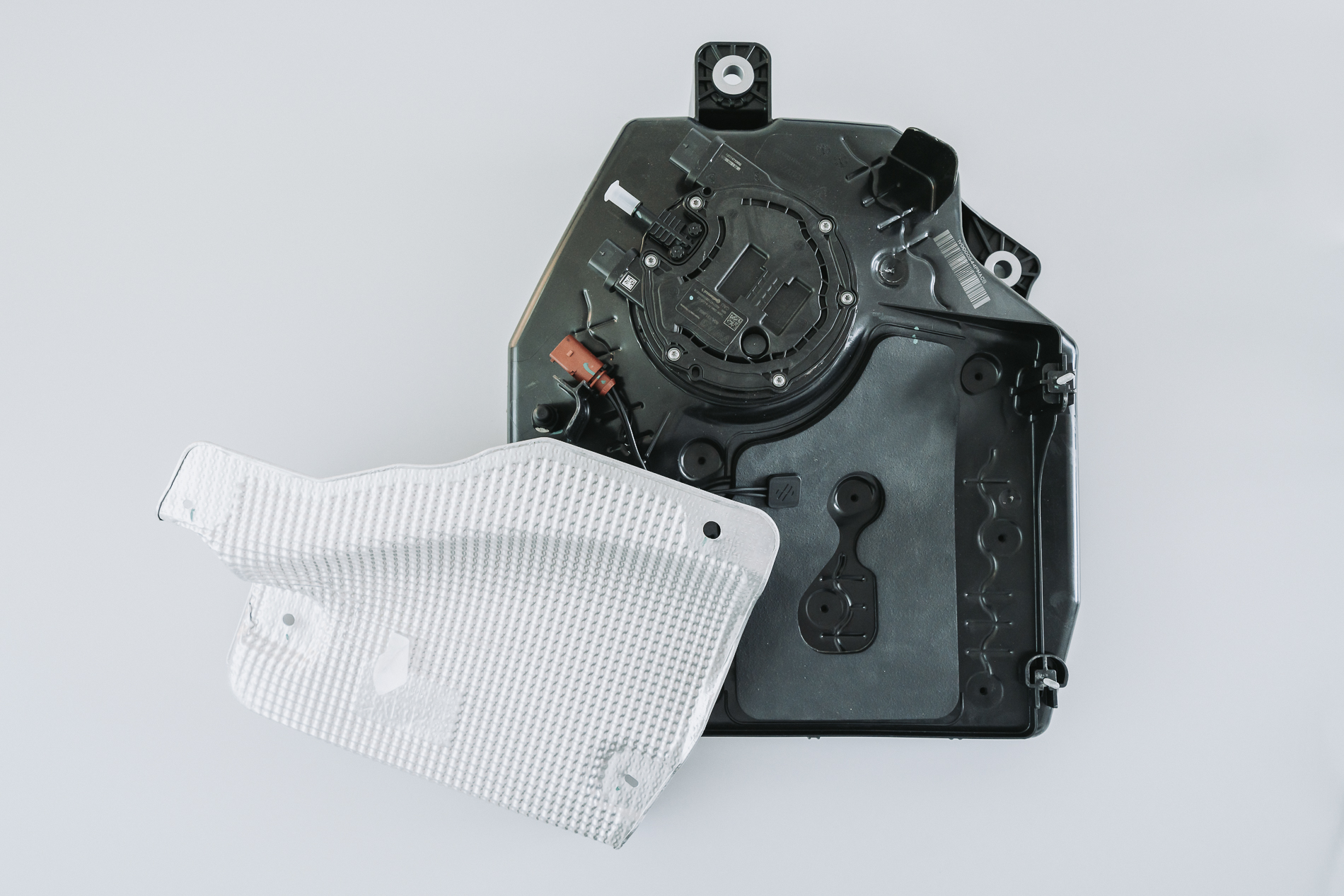
Challenge
EURO 6 legislation mandates SCR (Selective Catalytic Reduction) systems to reduce NOx emissions by up to 90%. The AdBlue/DEF fluid (urea solution) freezes at −11°C, requiring reliable tank heating. Conventional internal heaters cause melting cavities and mechanical deformation inside the tank, complicate retrofitting, and need active temperature control with sensors and electronics. These shortcomings increase system cost, reduce reliability, and make field maintenance difficult.
Our Solution
ATT's carbon-based PTC heaters mount externally on the tank surface with thermal insulation — no tank penetration, no melting cavity issues, easy retrofitting. The PTC effect provides inherent temperature self-regulation: the heater reaches its design temperature (45°C, 62°C or 85°C) without requiring temperature sensors or control electronics. An optional integrated ice sensor detects the frozen state of the AdBlue fluid and enables on-demand heating — significantly reducing energy consumption by heating only when actually needed.
How It Works
Tank & Thermal Analysis
We analyse your tank geometry, mounting surfaces and ambient temperature requirements to determine optimal heater size, placement and PTC temperature rating (45°C, 62°C or 85°C).
Heater Design & Specification
Custom PTC heater layout designed with optimized power density (up to 12 kW/m²). External mounting concept with thermal insulation ensures efficient heat transfer into the tank wall.
Qualification (VW80000)
Complete automotive qualification per VW80000 standard and customer-specific requirements. RoHS, REACH and IMDS compliance verified. Optional ice sensor integration tested and validated.
Series Delivery
Series production with full traceability. Lightweight design (118 g for 330 × 150 mm) minimizes vehicle weight impact. Supplied ready for external mounting with insulation kit.
Application Areas
Passenger Car AdBlue Tanks
External PTC heaters prevent AdBlue freezing in passenger vehicles without tank modification. VW80000-certified design ensures OEM-level quality and reliability.
Commercial Vehicle DEF Tanks
Heavy-duty trucks and buses with large DEF tanks benefit from scalable external heating. Multiple heater elements can be combined for larger tank surfaces.
Off-Highway & Agricultural
Construction machinery, agricultural vehicles and mining equipment operating in extreme cold. External mounting enables easy retrofit across diverse tank geometries without modifications.
Retrofit Applications
The external mounting concept makes ATT SCR heaters ideal for aftermarket and retrofit installations — no tank disassembly or internal access required.
Technical Data
Key Advantages
- Series-proven: tested and approved per VW80000 norm
- External placement eliminates tank melting cavities and deformation
- PTC self-regulation: no temperature sensors or control unit required
- Selectable max temperature: 45°C, 62°C or 85°C per customer spec
- Optional ice sensor for on-demand heating — energy-efficient operation
- Lightweight: 118 g for 330 × 150 mm element
- Ready for series: IMDS listed, RoHS and REACH compliant
- Easy retrofit capability due to external mounting concept
Frequently Asked Questions
Why is external mounting better than internal tank heaters?
How does the PTC self-regulation work without a controller?
What is the purpose of the optional ice sensor?
Which automotive standards does the ATT SCR heater meet?
Can the heater be adapted to different tank sizes and shapes?
At what temperature does AdBlue freeze and what PTC rating is recommended?
Let's Start Your Project
Ready for the next generation of thermal solutions? Contact our expert team.
Response within 24 hours • Free initial consultation