Seat Heating
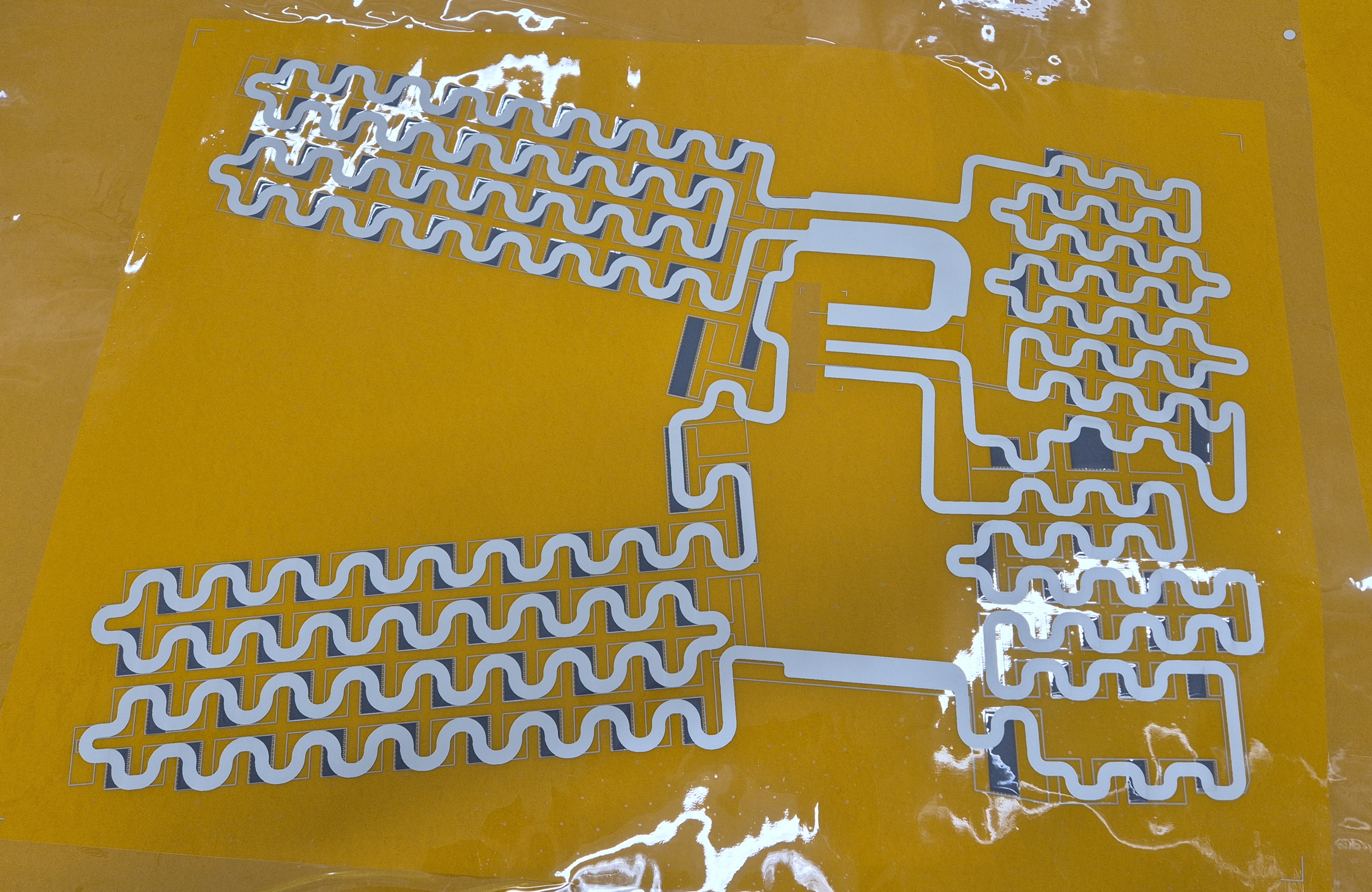
Printed PTC and silver heater foils for automotive seats — uniform surface heating with optional occupancy sensing.
Challenge
Over 60% of passenger cars are equipped with seat heating — a trend that continues to grow, with first, second and even third row seating being equipped. Conventional wire-based seat heaters act as line heaters requiring high core temperatures, resulting in uneven heat distribution and reduced efficiency. With the paradigm shift towards fully electrified vehicles, every watt spent on auxiliary systems such as seat heating is a watt that reduces driving range. A significant focus must be placed on making seat heating more efficient whilst keeping passenger comfort at the same level.
Our Solution
ATT's printed silver and carbon-based PTC heating foils are seamlessly integrable into any seat, respecting geometry and customer-specific demands. As area heaters (not line heaters), they deliver heat across a much larger surface fraction — allowing lower core temperatures while achieving a more uniform, safer and more comfortable temperature profile. The printed conductor path transfers heat into adjacent materials more effectively than wire alternatives. The PTC variant minimizes heat-up time through initially higher power output, then self-regulates to a customer-specifiable target temperature.
How It Works
Requirements & Concept
We discuss your seat geometry, thermal comfort targets and integration constraints. ATT prefers early involvement to bring in our deep understanding of thermal management — we are more than just another supplier of heating systems.
Heater Design & Engineering
Custom heater layout designed to match your seat geometry. Silver or PTC ink is screen-printed with optimized conductor paths for uniform heat distribution across the entire seat surface.
Prototype & Validation
Functional prototypes manufactured for thermal comfort evaluation. Testing covers heat-up time, temperature uniformity, power consumption and integration fit with your seat foam and cover materials.
Series Production
Full series production with consistent in-house quality control. Each unit undergoes electrical verification. ATT supports the complete lifecycle from pre-development through serial delivery.
Application Areas
Front Row Seats
Primary seat heating application with the highest market penetration. ATT's area heaters deliver faster, more uniform heating at lower energy consumption than conventional wire-based systems.
Second & Third Row
Growing demand for rear-seat heating, especially in premium and family vehicles. ATT's lightweight, thin foil design adds minimal package height — critical for rear bench configurations.
Commercial & Utility Vehicles
Truck, bus and utility vehicle seats benefit from efficient heating in demanding environments. The robust print technology withstands high duty cycles and variable operating conditions.
Rail & Aerospace Seating
ATT seat heating technology transfers directly to rail carriages and aircraft seating. Weight savings and efficiency gains are particularly valued in aerospace applications.
Technical Data
Key Advantages
- Area heater: more uniform temperature distribution than wire heaters
- Lower core temperature needed → improved efficiency and safety
- PTC self-regulation: fast heat-up, stable target temperature, no overshoot
- Capacitive seat occupancy sensing function can be integrated
- Customer-specific geometry, size and heating performance
- Cost-effective: printed heaters scale better than wire for larger areas
- 15+ years of passenger thermal comfort engineering
- Not limited to automotive — applicable in rail and aerospace
Frequently Asked Questions
How do printed heaters compare to wire-based seat heaters?
What is the advantage of PTC over conventional seat heaters?
Can seat occupancy sensing be integrated into the heater?
How does ATT seat heating benefit EV driving range?
At what stage should ATT be involved in the development process?
Can ATT supply seat heaters for non-automotive applications?
Let's Start Your Project
Ready for the next generation of thermal solutions? Contact our expert team.
Response within 24 hours • Free initial consultation