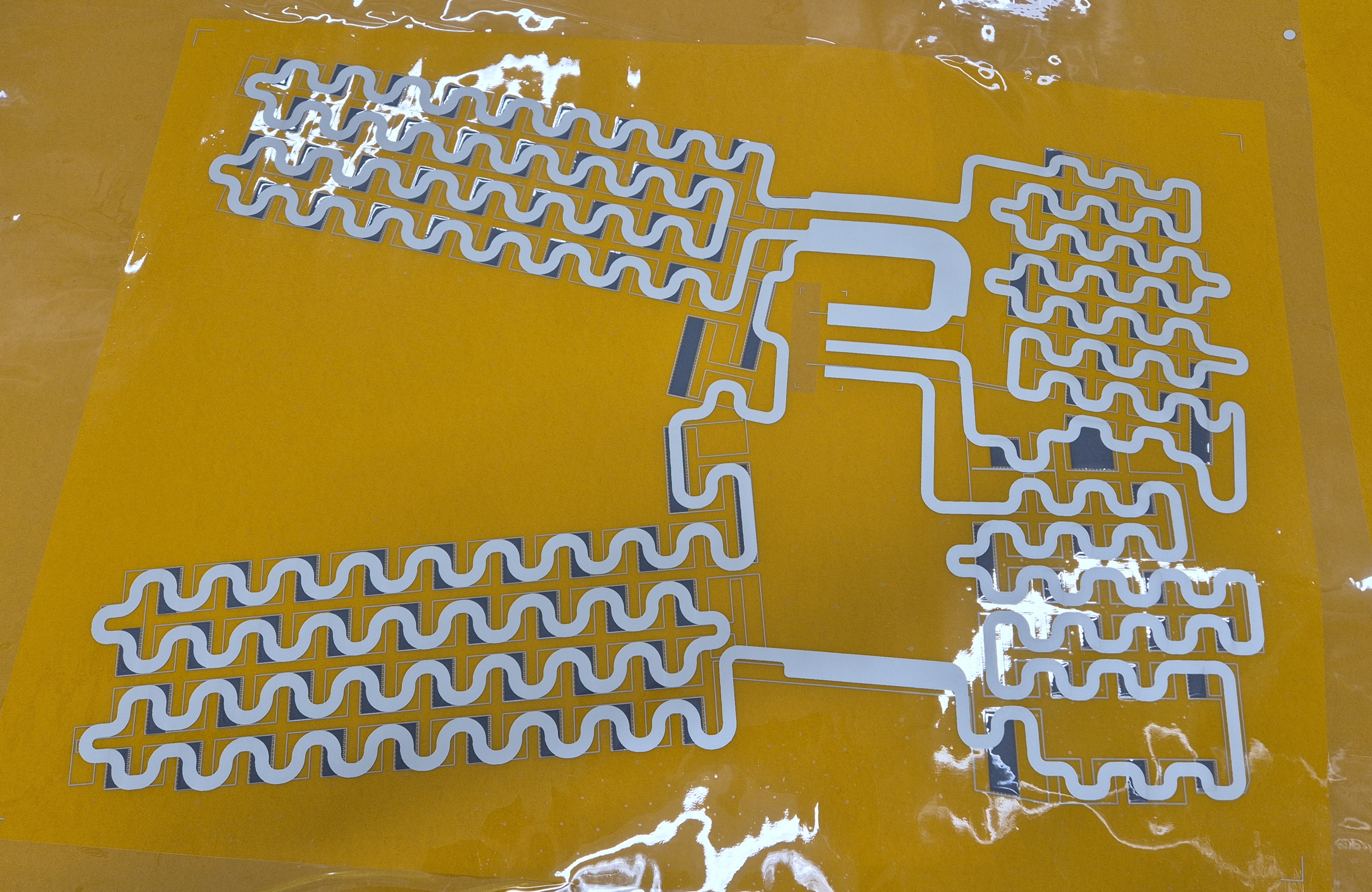
Thermal comfort in an electric vehicle is not defined by cabin air temperature alone. Passengers feel cold glass, trim parts, contact zones, air movement, clothing and radiant heat at the same time.
Printed surface heaters can support localized comfort on seats, armrests, doors, consoles or other interior surfaces. The engineering question is which surfaces matter, when they should heat, and how they interact with HVAC strategy.
Where printed surface heating helps
Cold-start comfort
Local surfaces can create early comfort while the full cabin is still warming up.
Contact zones
Armrests, seats or trim areas can influence comfort strongly when passengers touch or approach them.
Radiant comfort
Nearby warm surfaces can reduce perceived cold without relying only on air temperature.
Design flexibility
Printed heater layouts can follow surface geometry and zone priorities.
Comparison
| Decision point | Engineering focus | Why it matters |
|---|---|---|
| Air heating | Raises cabin air temperature | Broad effect, often energy-intensive in cold starts |
| Seat/contact heating | Warms direct contact zones | Strong local effect but limited body coverage |
| Printed surface heating | Adds warm surfaces to trim, armrests or panels | Can support comfort perception and design integration |
| Comfort simulation | Compares surfaces before hardware | Reduces trial-and-error in zone and power definition |
Engineering takeaway
The best solution is application-specific. ATT combines printed heater and sensor know-how with layout, substrate and process evaluation so the functional layer fits the real engineering constraint.