Thermal Comfort Engineering
Simulation-based interior heating development for efficient vehicle comfort surfaces before hardware is built.
Challenge
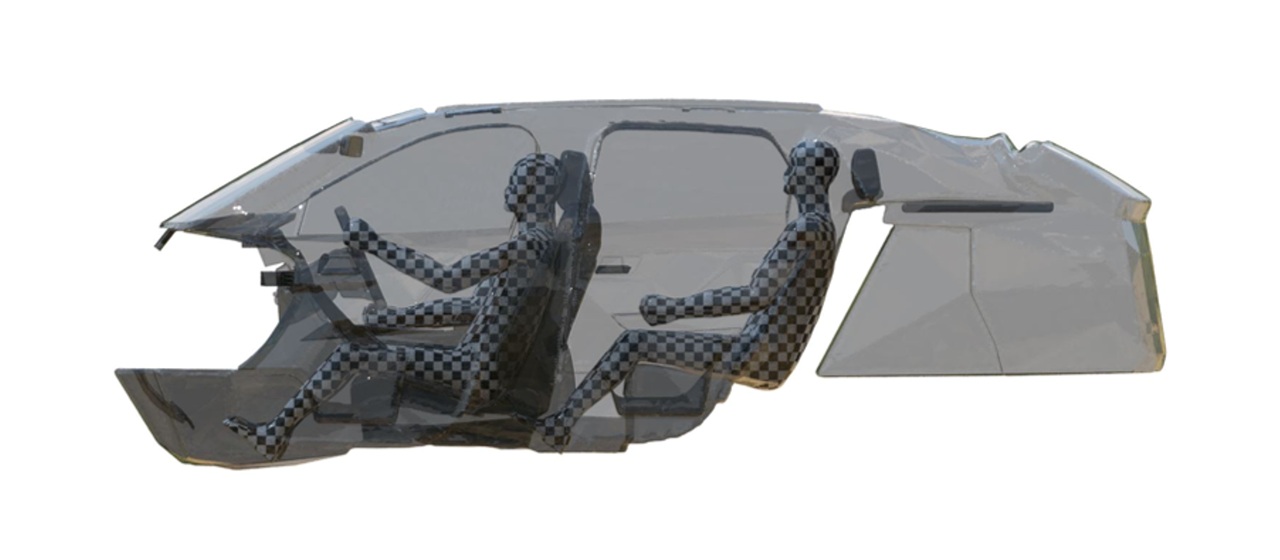
Thermal comfort in a vehicle is not defined by air temperature alone. In a cold cabin, passengers interact with air, surfaces, clothing, contact zones and radiant heat at the same time. A heater can become warm and still deliver limited perceived comfort if it is placed on the wrong surface, activated at the wrong time or designed only around component temperature instead of human thermal balance. For electric vehicles, every unnecessary watt spent on cabin heating also affects energy consumption and range.
Our Solution
ATT uses Thermal Comfort Engineering to evaluate where heat will actually be perceived as comfort. The approach combines cabin and surface-temperature simulation, heat-transfer analysis, thermophysiological and thermopsychological comfort modelling, and ATT's printed heater development know-how. The result is a more informed decision about which surfaces to heat, how much power density is needed, how heater zones should be laid out and how surface heating should interact with the HVAC strategy.
How It Works
Define Comfort Scenario
We start with a realistic use case: cold soak, start-up phase, driving condition, clothing level, passenger position, cabin geometry and target comfort response.
Model Heat Transfer
Convection, contact heat and radiation are evaluated together. Cold surfaces, glass areas, air movement and local body zones are considered as part of the thermal environment.
Compare Surface Concepts
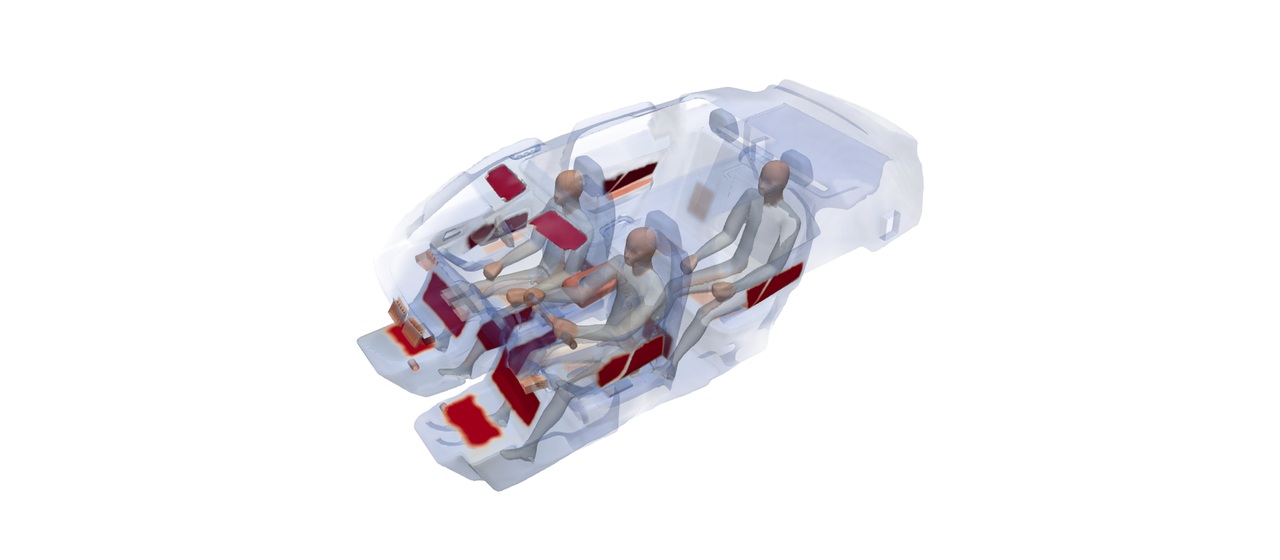
Possible heated surfaces such as seats, armrests, door trim, consoles, pillars or sun visors are compared before heater hardware is finalized.
Derive Heater Layout
The simulation results support heater-zone definition, power-density targets, warm-up strategy, prototype test planning and later validation with measured data.
Why Air Temperature Is Not Enough
- Passengers experience local heat loss at hands, face, arms and other exposed body zones
- Cold glass, trim and interior components influence perceived comfort even when air is warming up
- Clothing, activity level and air movement change the comfort response
- A purely HVAC-based view can miss the comfort effect of nearby heated surfaces
Why Surface Heating Needs Simulation
- Not every heated surface contributes equally to perceived comfort
- Radiant heating is especially valuable in cold-start conditions but must be used at the right time and temperature
- Contact surfaces such as armrests or seats can deliver highly local comfort effects
- Simulation helps avoid trial-and-error when defining heater zones and power levels
From heated zones to perceived comfort
Thermal Comfort Engineering links local heated surfaces, cabin conditions and human comfort response — helping define which zones should be heated, when they should be active and how they should support the HVAC strategy.
Application Areas
EV Cabin Warm-Up
Evaluate how surface heaters can support early comfort while the cabin and interior components are still cold, reducing dependence on high HVAC heat-up loads.
Interior Surface Selection
Compare seats, armrests, door trim, consoles, pillars or sun visors to identify which surfaces create the strongest perceived comfort effect in a given cabin.
Radiant Comfort Concepts
Assess where radiant heat helps most — for example close to the face, arms or upper body — and where surface temperatures would become inefficient or uncomfortable.
Prototype & Validation Planning
Translate comfort simulation into heater layouts, measurement points, test cases and validation criteria for development prototypes.
Technical Data
Key Advantages
- Positions ATT as a thermal comfort development partner, not only a heating-element supplier
- Helps identify the right heated surfaces before hardware is built
- Combines printed heater design with human comfort modelling
- Supports EV energy-efficiency discussions without overclaiming fixed savings
- Creates a technical bridge between seat heating, cabin surface heating and sensing/validation
- Especially relevant where comfort, packaging space, warm-up time and power demand must be balanced
Frequently Asked Questions
What is Thermal Comfort Engineering?
Why is this important for electric vehicles?
Does this replace HVAC simulation?
Which surfaces can be evaluated?
Why is ATT suited for this work?
Let's Start Your Project
Ready for the next generation of thermal solutions? Contact our expert team.
Response within 24 hours • Free initial consultation